
When the school year ends and students and staff take off for the summer, Facility Operations teams have a short but valuable window to shift from reactive daily responses to proactive maintenance, inspection, and planning mode. For Florida schools and other warm-weather regions, this summer window is especially important. By the time students trickle back to campus in August and September, HVAC systems are often operating at full capacity due to peak summer heat.
The goal is not only to confirm that systems are running but to ensure they are operating properly. As schools prepare for the next academic year, here are key areas that facility teams should focus on before school resumes:
Start With HVAC System Readiness
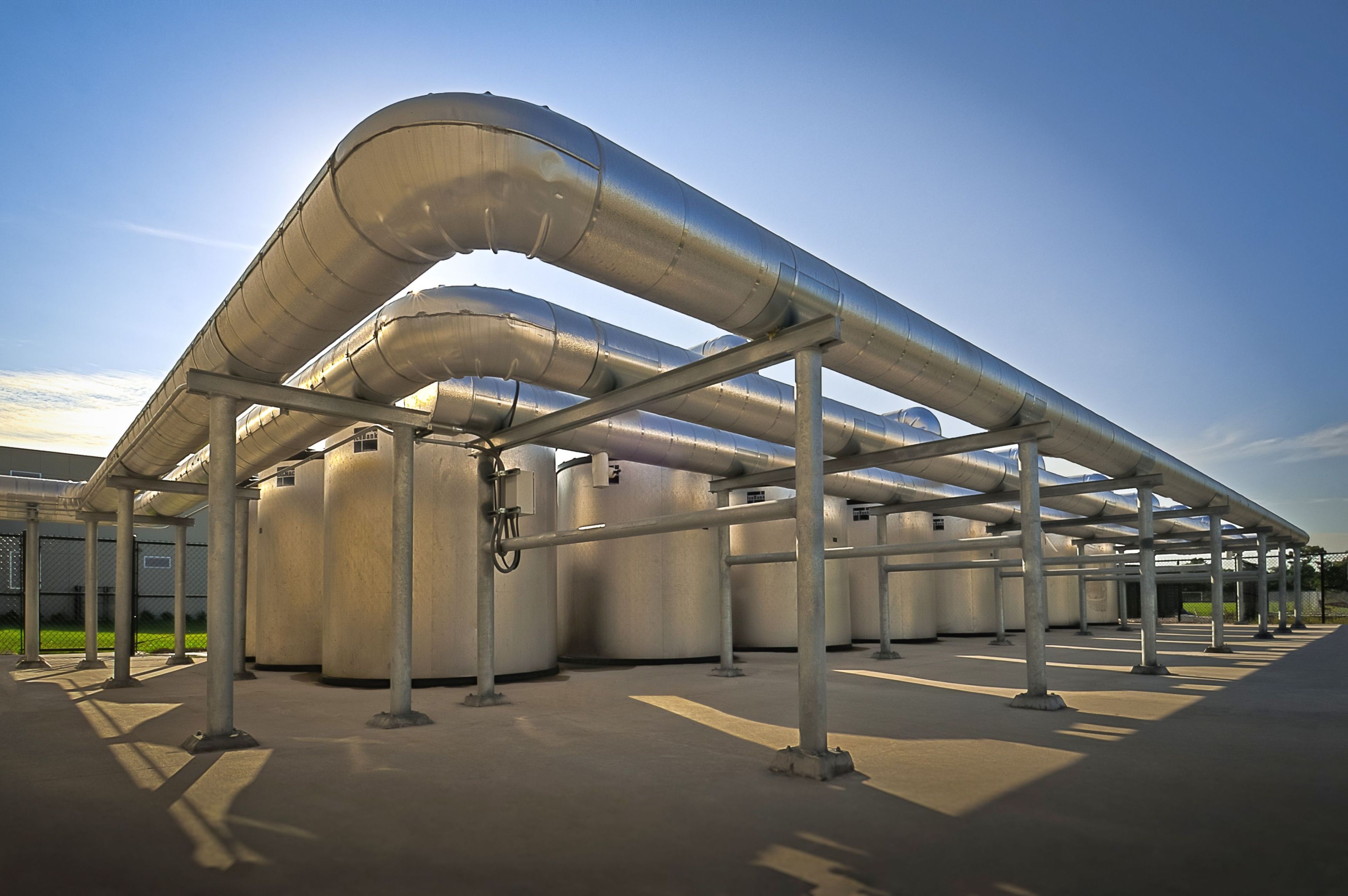
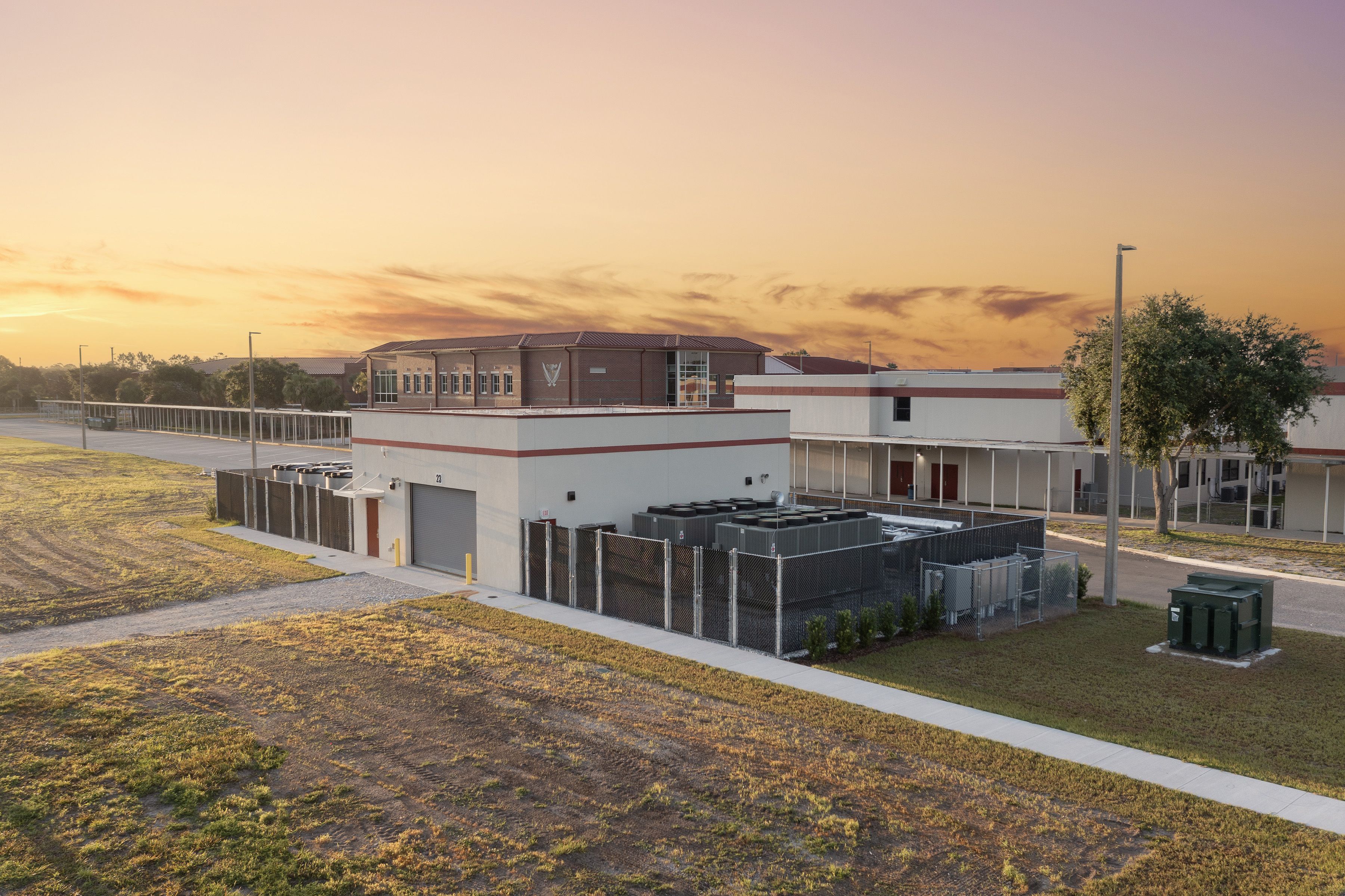
HVAC systems are a top priority. These systems directly impact comfort, indoor air quality, humidity control, energy use, and overall building performance. If these systems fail to perform properly, it can lead to uncomfortable students, frustrated staff, and emergency service calls at the worst possible time.
Three practical starting points include:
- Changing air filters. This is one of the simplest ways to support system efficiency, but it is often hard to do during a busy school year with occupied classrooms. Dirty or restrictive filters can reduce airflow, increase energy use, and place additional strain on equipment. Ultimately, reducing the longevity of the entire HVAC system.
- Maintaining chemical treatment for chilled water systems. Proper chemical treatment helps reduce scale buildup and inhibit corrosion, supporting long-term system performance and reliability.
- Cleaning evaporator and condenser coils. Inspect and clean coils as needed to restore heat transfer to its highest efficiency.
Flush and Test Plumbing Systems
Plumbing systems experience reduced use during breaks, making it essential to test key components.
Facility teams can use this time to flush water heaters, test fixtures, and confirm that hose bibs, makeup water lines, and related plumbing components are working properly. Circulation pumps should be tested and cycled, and aquastats should be checked to confirm proper operation.
Water heater temperatures should also be reviewed to verify that they meet the design temperatures required for the specific areas each unit serves. This is particularly important in kitchens, locker rooms, restrooms, and other spaces with dedicated hot water needs.
In addition, teams should check trap seals in floor drains, indirect waste receptors, and infrequently used fixtures. These can dry out during periods of reduced use, potentially allowing sewer gases or odors to enter spaces. Addressing these issues before the first day of school helps avoid complaints and improves the overall building environment.
Inspect Exterior Lighting for Safety and Visibility
Exterior lighting and electrical systems both play an important role in campus safety, reliability, and day-to-day operations. Take the time to inspect lighting, repair failed fixtures, and review whether electrical infrastructure is keeping up with the needs of the campus. Keep in mind parking lots, walkways, athletic fields, building entrances, service areas, and building-mounted fixtures; they all contribute to campus safety and visibility.
As schools continue to add classroom technology, security systems, audiovisual equipment, charging stations, and other electrical loads, facility teams should also consider whether existing systems have sufficient capacity to meet current and planned needs.
Confirm Fire Protection and Life Safety Systems
While fire protection and life safety systems must remain reliable year-round, summer can provide better access for inspections, testing, and repairs.
Facility teams should coordinate required reviews of fire alarm systems, sprinkler systems, fire pumps, emergency lighting, exit signage, kitchen suppression systems, and related monitoring equipment. They should also confirm that storage changes, renovations, classroom reconfigurations, or equipment additions have not created access or compliance concerns.
Plan for Capital Projects and System Improvements
Recent conversations at the FEFPA 2026 Summer Conference, which was held in Boca Raton in late June 2026, reinforced the importance of planning beyond immediate maintenance needs:
- For K-12 districts, master planning for existing and new campuses, owner direct purchases (ODP), project management, and project closeouts all connect back to campus preparedness. Project closeout is especially important before the start of a new school year, particularly for campuses with active construction or renovation work. Contractors, owners, architects, and engineers need to work closely together near the end of a project to make sure inspectors are satisfied, punch list items are resolved, and code-related items are fully addressed. This coordination is critical to helping buildings receive a certificate of occupancy and open on schedule.
- When it comes to summer projects with tight schedules, ODP can be critical to getting the project completed while the students are out. With supply chain challenges still lingering, purchasing equipment directly and earlier in the project rather than waiting on the contractor procurement cannot only help ensure equipment is acquired on time, but it can save hundreds of dollars. This approach will help the team better manage construction schedules.
Preparing School Facilities for a Strong Start
The most effective summer maintenance efforts go beyond checking whether systems turn on. They evaluate performance efficiency and readiness for the real conditions students and staff will face when they return. This summer break, consider focusing on HVAC readiness, system efficiency, plumbing performance, adequate lighting, proper electrical systems, and properly functioning life safety systems to reduce disruptions and improve safety and reliability when campuses return to full occupancy.
Matern Professional Engineering partners with K-12 districts, higher education, and private education clients to support mechanical, electrical, plumbing, fire protection, technology, commissioning, and energy engineering needs across all types of educational facilities. Through our engineering expertise and focus on our clients’ success, we help facility teams provide safe, comfortable, and effective learning environments year after year.