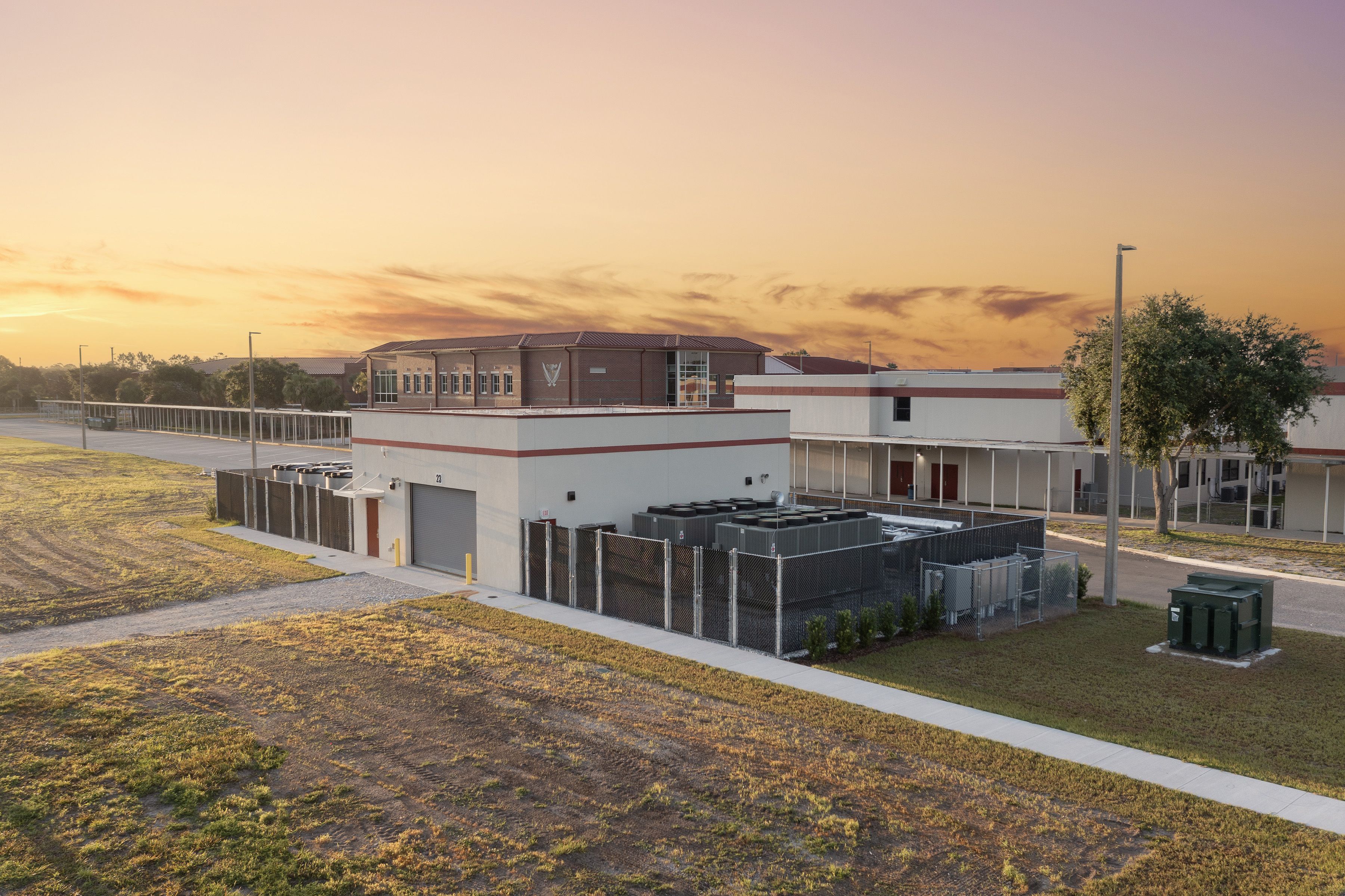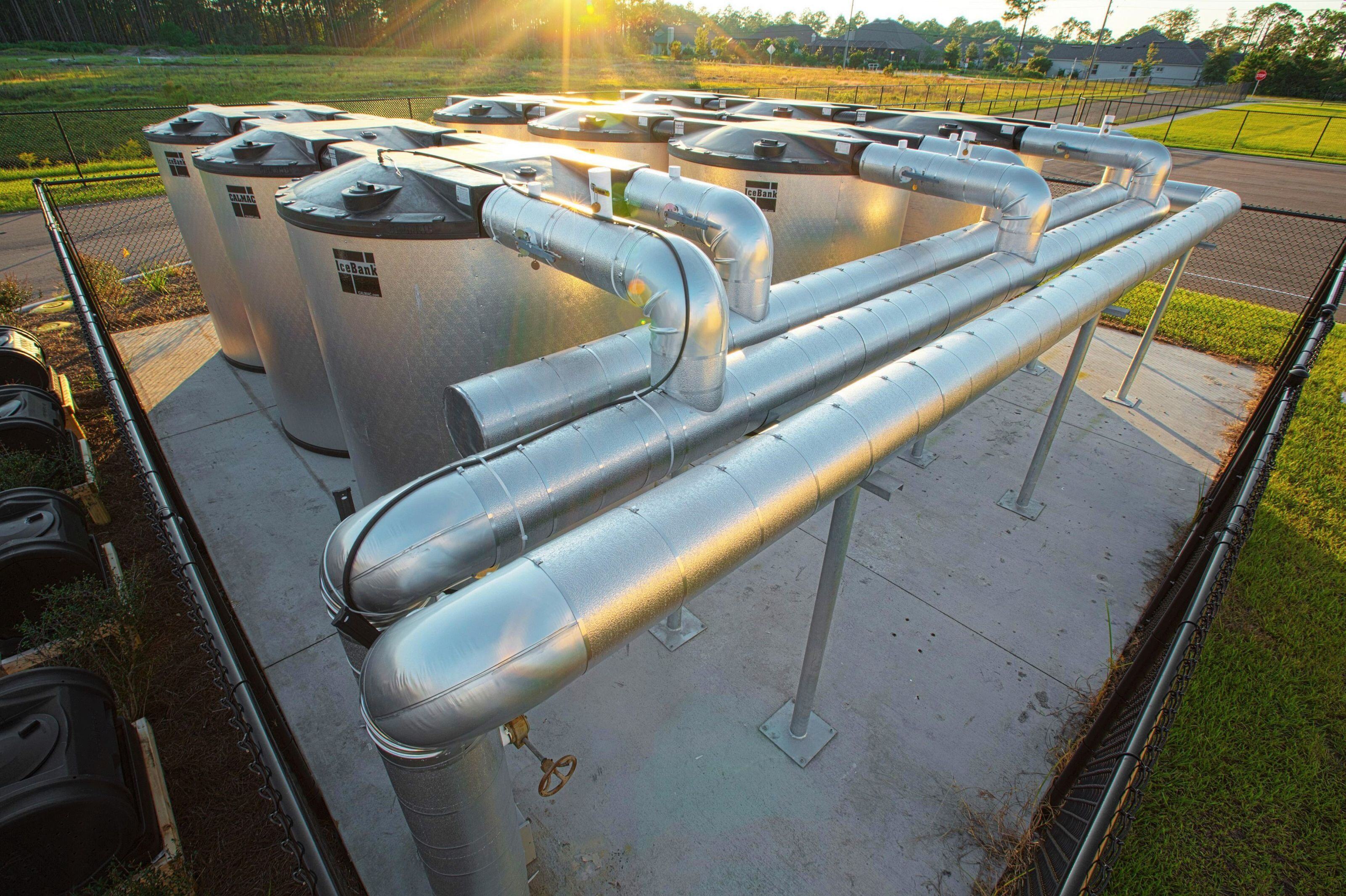
In the article “Learn How Thermal Storage Cuts Costs for K-12 Schools and Combats Rising Energy Prices,” published on 1/15 in Consulting-Specifying Engineer, Matern Professional Engineering Director of Controls Division and Senior Controls Engineer Nojan “NJ” Nowakhtar, LEED AP, WELL AP, discusses how thermal energy storage can reduce peak demand and unlock meaningful savings. School districts face intense pressure to reduce operational costs without impacting educational programs.
In many climates, cooling can represent up to 25% of electricity usage, and demand charges can drive major monthly utility costs. Nowakhtar explains how Matern Professional Engineering’s design approach for thermal storage solutions saved a Florida high school campus $14,200 a month during the peak cooling season.
“When considering the return on investment of such a design, it is key to note that most utilities welcome this shift in demand to their off-peak windows, so much so that many offer direct rebates to customers who employ this strategy,” says Nowakhtar. “Depending on the building type and storage capacity installed, these rebates will typically cover between 50% and 100% of the delta in construction and procurement costs. In this case, the school district received a one-time rebate of $562,632 — enough to entirely offset the added first cost of an ice-storage system versus a conventional chiller plant.”
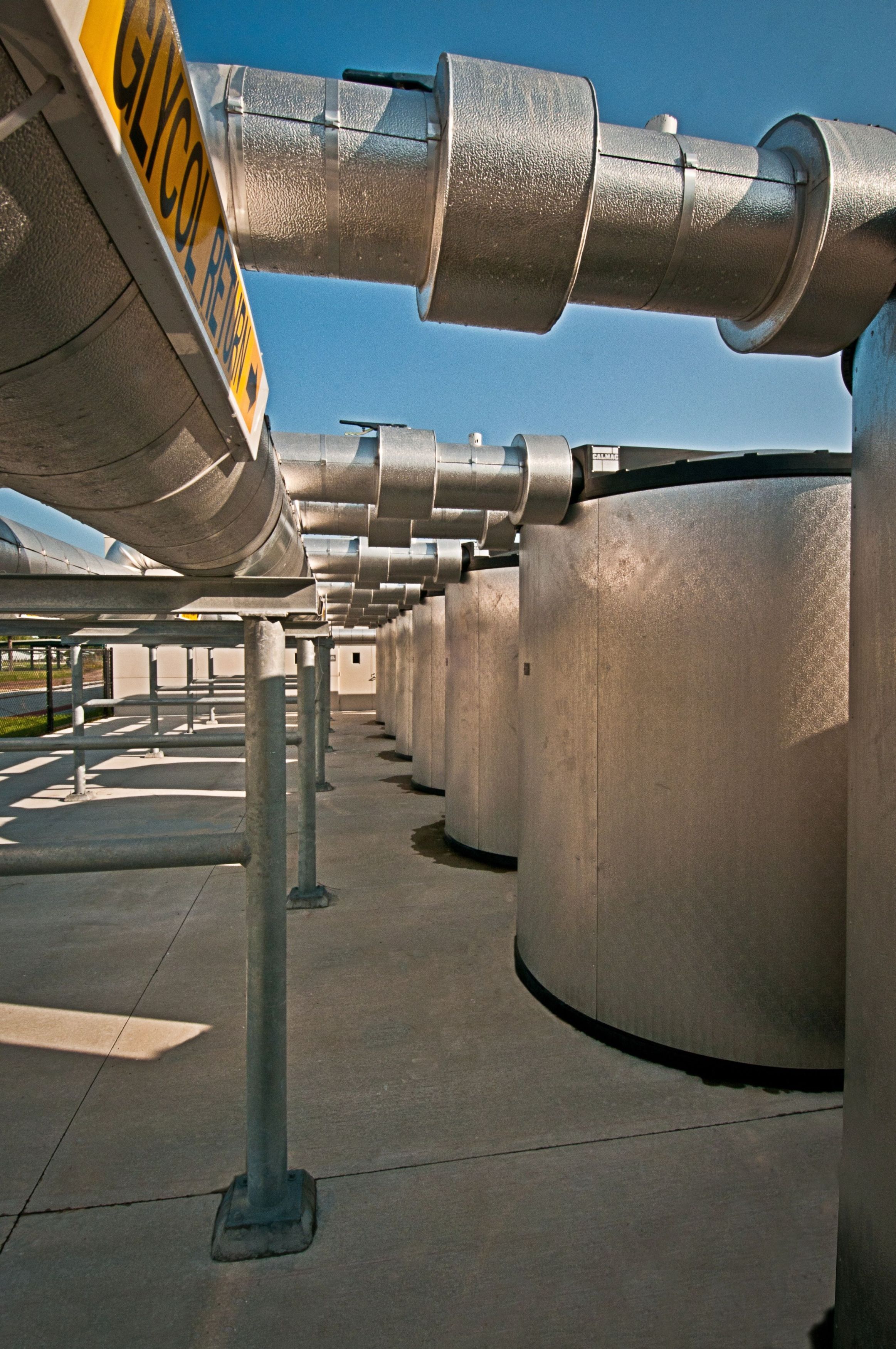
Nowakhtar further notes how space considerations, vast campus layouts – such as for universities, theme parks, or industrial sites – and other factors must be reviewed. Adding ice storage tanks to an HVAC system can also help to future-proof it as the next generation of eco-friendly, advanced HVAC systems use ice tank technology for heating, making this configuration now a thermal battery. For building owners and operators, thermal storage is an incredible first-line solution they should be thinking about for cost savings and energy efficiency.
Read the story in full, click here.